Climate Change: Put Simply
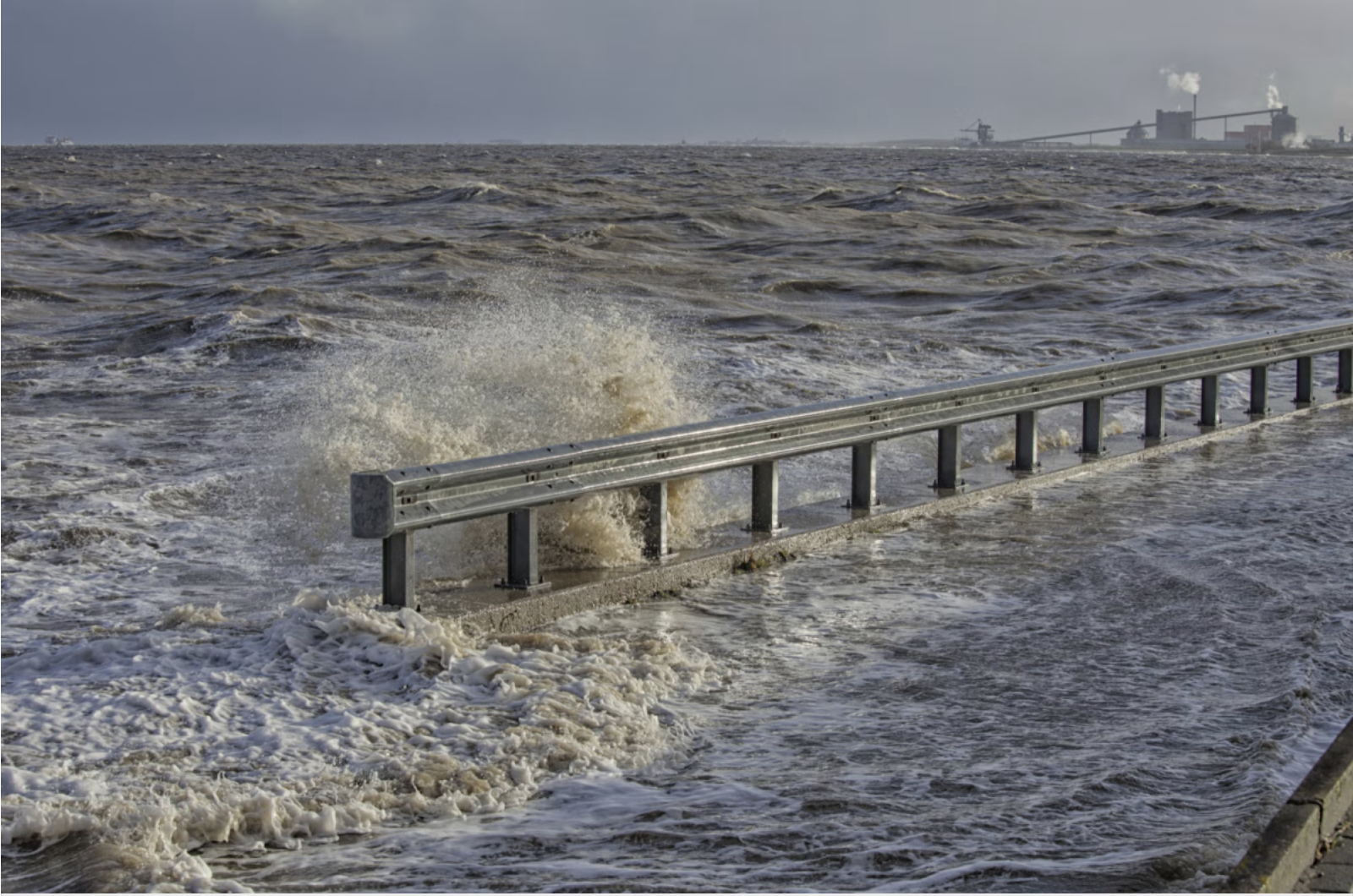
Image Source: https://www.sciline.org/climate/climate-change/slr/
The United Nations defines climate change as “long-term shifts in temperatures and weather patterns. Such shifts can be natural, driven by changes in solar activity or by large volcanic eruptions. But since the 1800s, human activities have been the main driver of climate change, primarily due to the burning of fossil fuels like coal, oil, and gas.” But what does this actually mean, and what does it mean for younger generations?
In simple terms, climate change is the warming of the Earth caused primarily by human actions. When humans burn fossil fuels (e.g., coal, petroleum, and natural gas, which is mostly methane) by driving cars, generating electric power, or powering factories, gases like carbon dioxide are released into the atmosphere. These gases trap heat from the sun, acting like a blanket for the planet and allowing it tosupport life. This is known as the greenhouse effect, and the addition of human-caused carbon dioxide emissions has caused a steep increase in Earth’s temperature over time. In the past century alone, average global temperatures have risen by about 1.8°F (this leads to a variety of issues, one especially concerning example being the irreversible effects it has on Earth’s ecosystems).
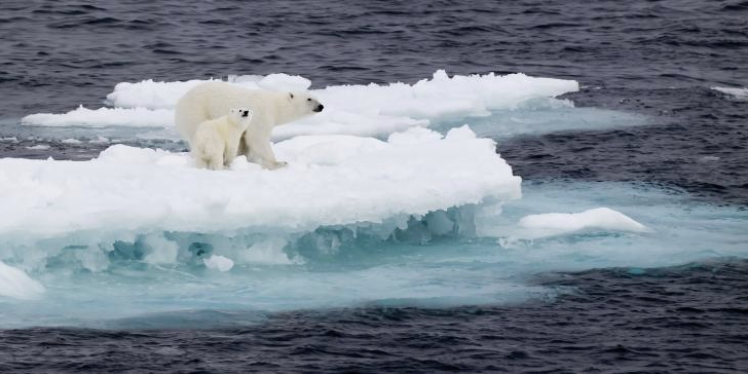
As the planet warms, it leads to noticeable changes in the weather and environment. Summers are getting hotter, storms are becoming more powerful and unpredictable, and droughts and wildfires are occurring at levels never seen before. Global warming also causes ice in Earth’s polar regions to melt (e.g., Greenland and Antarctica), and this ice melt threatens coastal and island communities. In the past century alone, global sea levels have risen between 6 and 8 inches (1920–2020).
For younger generations, climate change isn’t a distant problem; it is something that is actively happening. It affects everything from the air we breathe to the food we eat to the places we live. The repercussions of climate change are compounding and causing severe damage to the environment, meaning that young people will likely face even greater environmental challenges as they age. However, as climate change becomes more a part of our daily lives, we have the opportunity to be part of the solution, whether through our everyday choices, education, or future careers.
